
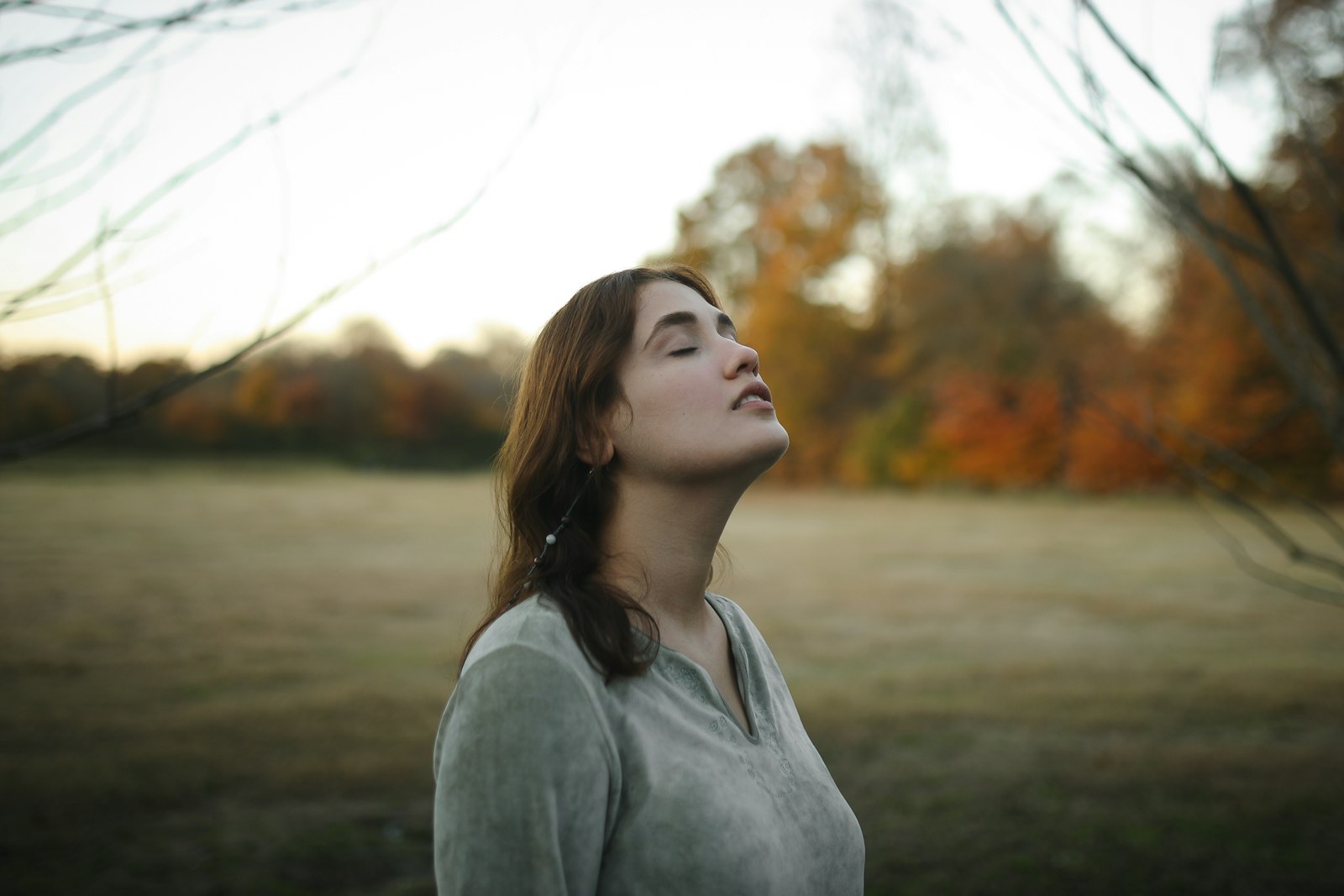
You know the feeling. Your jaw is tight before you’ve even opened your emails. A WhatsApp notification makes your chest jump. You’re exhausted at 9pm but lie awake at 1am replaying a conversation from work. Someone on Instagram says you need “nervous system regulation“, and you think: fine, but what does that actually mean, and what do I do on a Tuesday morning in traffic on the N1?
This article strips the idea back to basics. No jargon, no expensive retreats. Just what’s happening in your body when you’re stressed, and small daily practices that have reasonable evidence behind them.
One note before we start: these practices support wellbeing. They aren’t a replacement for medical or psychological care, especially if you’re dealing with trauma, panic attacks or depression.
The short answer
Nervous system regulation is your body’s ability to shift out of a stress state and back to a calmer baseline once a challenge has passed. You can support it with small, repeated habits: slow breathing with long exhales, regular movement, time outdoors, steady sleep, and safe connection with other people. Consistency matters more than intensity.
What nervous system regulation actually means
Your autonomic nervous system runs quietly in the background, managing heart rate, breathing and digestion. Harvard Health describes two main branches with a helpful car analogy. The sympathetic nervous system “functions like a gas pedal in a car” and triggers the fight-or-flight response. The parasympathetic nervous system acts as the “brake” that dampens the stress response once a threat has passed.
When you sense danger, a part of the brain called the amygdala signals the hypothalamus, which sets off a cascade: adrenaline first, then cortisol through what’s called the HPA axis, keeping your body “revved up and on high alert”.
That system is brilliant for short bursts. It’s what gets you out of the way of a taxi. The trouble starts when the gas pedal never fully lifts. Deadlines, money worries, crime news, family pressure and constant notifications can keep the system switched on long after any single threat has passed.
Being “regulated” doesn’t mean being calm all the time. It means you can get stressed, and then come back down. The goal is flexibility, not a permanent state of zen.
Ready to find the right support? Browse zenDirectory to compare practitioners by need, modality and location, see prices upfront and book online.
Signs your stress response is stuck on
Everyone is different, but common signs include:
- feeling wired but tired, especially in the evening
- shallow breathing, tight shoulders or a clenched jaw
- startling easily or feeling irritable over small things
- trouble falling or staying asleep
- digestive upsets when you’re under pressure
- feeling numb, flat or disconnected, which is the less talked-about side of stress
If several of these have been with you for weeks and you’re also feeling hopeless or drained, have a look at our guide to the signs of burnout, and consider speaking to a doctor or registered counsellor.
Daily nervous system regulation practices that actually help
None of these need special equipment. Pick one or two and practise them daily for a couple of weeks before adding more.
1. Breathe with a longer exhale
Breathing is one of the few parts of the stress response you can consciously change. Harvard Health lists deep abdominal breathing among the techniques that bring on the relaxation response.
A 2023 study published in Cell Reports Medicine compared daily five-minute breathing practices with mindfulness meditation over one month. The exhale-focused practice, called cyclic sighing, produced greater improvement in mood and a greater reduction in breathing rate than meditation. The authors concluded that “daily 5-min cyclic sighing has promise as an effective stress management exercise”. It was a small study, with 108 participants analysed, so treat it as encouraging rather than conclusive.
Try it like this:
- Inhale slowly through your nose.
- Take a second, shorter inhale to top up your lungs.
- Exhale slowly and fully through your mouth, longer than the inhales.
- Repeat for five minutes.
If breathing exercises make you feel dizzy or panicky, stop and breathe normally. Some people with trauma histories find a focus on the breath uncomfortable at first, and that’s okay.
2. Move your body most days
Harvard Health notes that exercise, “such as taking a brisk walk shortly after feeling stressed”, deepens breathing and helps relieve muscle tension. The World Health Organization’s 2020 guidelines recommend adults get at least 150 to 300 minutes of moderate-intensity aerobic activity a week, and list reduced symptoms of anxiety and depression among the benefits.
That’s around 20 to 45 minutes a day. A walk around the block after a hard meeting counts. So does dancing in the kitchen.
3. Orient to where you are
When you feel a surge of stress, slowly look around the room and name five things you can see. Notice your feet on the floor and the weight of your body in the chair. This simple grounding practice is common in somatic work. It gently reminds your body that, right now, you’re safe. Our guide to somatic therapies and nervous system basics explains the thinking behind it.
4. Use connection on purpose
Harvard Health describes friends, relatives, co-workers and companions as “a life-enhancing social net”. A voice note to a friend, a proper cup of tea with a colleague, or ten minutes with your children without your phone all count. Humans settle each other. That’s not a weakness; it’s biology.
5. Protect your wind-down
Your nervous system needs signals that the day is ending. Dim the lights, put your phone on charge in another room, and do something repetitive and low-stakes: stretching, a shower, washing up, reading paper pages. If load-shedding or noise disrupts your sleep, keep a torch, earplugs and an eye mask by the bed so you’re not scrambling in the dark.
6. Tap, hum or shake it off
Some people find rhythmic practices useful: humming, gentle rocking, shaking out their hands, or tapping techniques. The research on some of these is limited, so see them as tools to experiment with rather than proven treatments. If you’re curious, our article on EFT tapping for in-the-moment calm explains one approach and what the evidence does and doesn’t say.
A simple somatic practices routine for a busy day
Here’s what a realistic day might look like. Adjust it to your life.
- Morning (2 minutes): before you check your phone, take ten slow breaths with long exhales and notice your feet on the floor.
- Commute or school run (5 minutes): at a red light or in the parking lot, do a round of cyclic sighing. Drop your shoulders.
- Midday (10 minutes): walk outside, even just around the building. Look at the horizon or trees, not a screen.
- After a stressful moment (1 minute): name five things you can see, then take three long exhales.
- Evening (15 minutes): screens off, lights low, a stretch or warm shower, and a short chat with someone you feel safe with.
Small and often beats big and occasional. You’re teaching your body a new rhythm, and that takes repetition.
When to get extra support
Self-help practices have limits. Consider working with a professional if:
- stress, anxiety or low mood are affecting your work, sleep or relationships for more than a few weeks
- you have a history of trauma and the practices above bring up strong reactions
- you’re using alcohol or other substances to switch off
- you have panic attacks or physical symptoms that haven’t been checked by a doctor
A registered counsellor or psychologist can help with anxiety, trauma and depression. Somatic practitioners, breathwork facilitators, yoga teachers and coaches may be helpful alongside that care, depending on your needs. Always check training and registration, and ask how they work with clients who have a trauma history.
If you’re in crisis or thinking about harming yourself, please reach out now. SADAG’s 24-hour Cipla Mental Health Helpline is 0800 456 789, and its Suicide Crisis Helpline is 0800 567 567. You can also find more support at sadag.org.
Key takeaways
- Nervous system regulation is about bouncing back from stress, not never feeling stressed.
- The sympathetic system is the gas pedal; the parasympathetic system is the brake.
- Longer exhales, daily movement, grounding, connection and a steady wind-down are simple, low-cost places to start.
- A small 2023 study found five minutes a day of exhale-focused breathing improved mood more than mindfulness meditation over a month.
- Get professional support if stress is affecting daily life, and use SADAG’s helplines in a crisis.
Want someone to guide you through this in person or online? You can browse counsellors, somatic practitioners and breathwork facilitators on zenDirectory, read their profiles and see their pricing upfront before you book. For more ways to build steadiness over time, read our guide to building resilience.
Frequently asked questions
What is nervous system regulation?
It’s your body’s ability to move into a stress response when needed and then return to a calmer baseline afterwards. The sympathetic nervous system speeds you up for action, and the parasympathetic nervous system slows you down again. Regulation means that shift happens flexibly, rather than getting stuck in a constant state of alert or shutdown.
How long does it take to regulate your nervous system?
In the moment, a few minutes of slow breathing or grounding can take the edge off a stress spike. Building a more settled baseline takes longer and depends on your circumstances. Think in weeks of consistent daily practice rather than a quick fix, and get professional support if things aren’t shifting.
What is the fastest way to calm your nervous system?
Many people find breathing with a longer exhale works quickly. A 2023 study tested cyclic sighing, two inhales through the nose followed by a long exhale through the mouth, for five minutes a day and found it improved mood. Grounding yourself by naming what you can see around you also helps.
Can a practitioner help with nervous system regulation?
Yes. Registered counsellors and psychologists can help with anxiety, trauma and depression. Somatic practitioners, breathwork facilitators and yoga teachers can support body-based practice alongside that care. Check their training and registration, and ask how they work with trauma. In a crisis, call SADAG on 0800 456 789.
Sources
- Harvard Health Publishing: Understanding the stress response
- Balban et al. (2023), Brief structured respiration practices enhance mood and reduce physiological arousal, Cell Reports Medicine (NIH/PMC)
- World Health Organization: Guidelines on physical activity and sedentary behaviour, executive summary (2020)
- South African Depression and Anxiety Group (SADAG)
